Gallstones (cholelithiasis) are one of the most common digestive problems, affecting millions of people worldwide. However, many patients are unaware of the symptoms that may indicate gallstones or when to seek surgical help. Early detection is important not only for relieving symptoms: in some cases, delay can lead to serious complications that require a longer recovery.
How do gallstones form?
The gallbladder's job is to store and concentrate bile, which helps break down fats during digestion. If the composition of bile changes – for example, it contains a higher proportion of cholesterol or bile pigments – it can easily form crystals and later stones.
Factors that increase the risk include:
- female gender
- Age over 40 years
- overweight, rapid weight loss
- hormone-containing preparations (contraceptives, hormone replacement therapy)
- diabetes
- family accumulation
- fatty, irregular eating
Although we cannot influence many factors, early detection and personalized treatment significantly reduce the chance of complications.
What are the most common symptoms of gallstones?
1. Pain under the right rib cage
This is the most common complaint. The pain:
- increases after eating
- often provoked by fatty foods
- may radiate to the right shoulder or back
- wavy or convulsive in nature
A typical biliary spasm can last up to 1–4 hours and comes on suddenly.
2. Bloating, feeling of fullness, indigestion
Many people only experience unpleasant, milder symptoms: bloating after eating, stomach discomfort, or a feeling of fullness.
3. Nausea, vomiting
Nausea or vomiting may also occur during a seizure.
4. Jaundice
If the stone gets into the common bile duct, it causes a blockage. This can cause jaundice, dark urine, and light stools. This is an emergency.
5. Fever, chills – cholecystitis (inflammation of the gallbladder)
This is one of the most serious complications, which:
- persistent right-sided abdominal pain
- high fever
- It can cause severe paralysis. In such cases, immediate surgical examination is necessary.
Asymptomatic gallstones: should you worry?
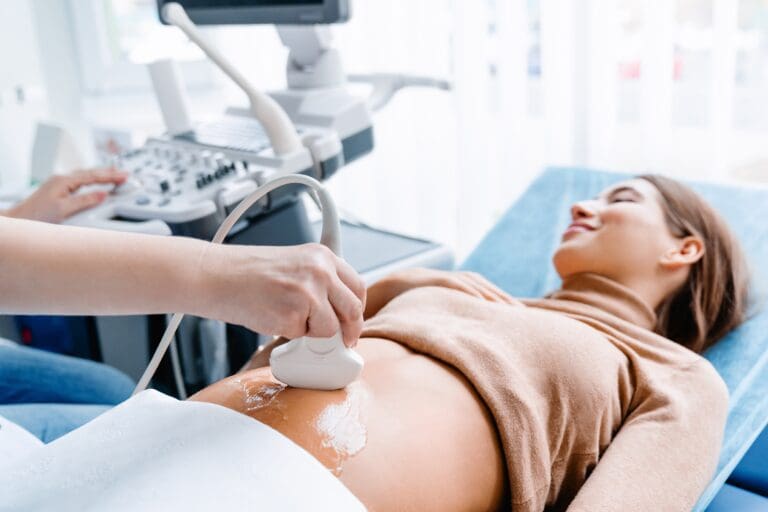
Gallstones are often detected during ultrasound in patients who have no symptoms. In such cases, observation is often sufficient, but not always.
Dr. Dániel Wettstein may recommend surgery in the following cases, even in asymptomatic cases:
- Stone larger than 3 cm
- Biliary polyps over 10 mm
- porcelain gallbladder (calcium wall) – high risk of cancer
- Suspected common bile duct stone
- before immunosuppression or transplantation
In these cases, surgery prevents later, even life-threatening, complications.
When is it appropriate to consult a surgeon?
It is not worth procrastinating in the following situations:
✓ Recurrent cramps
If the pain recurs, this is a clear indication that the stone is already causing complaints.
✓ Suspicion of inflammation
Fever, chills, weakness – this requires urgent examination.
✓ Jaundice or severe nausea
The stone may be blocking the bile duct.
✓ Large gallstones or polyps
In such cases, surgery is also recommended for preventive purposes.
At Villa Medicina, you don't have to wait weeks: you will be greeted with quick, courteous care, and Dr. Dániel Wettstein will examine you personally.
How is the examination done at Villa Medicina?
1. Surgical specialist examination
During the first meeting:
- detailed medical history
- complaints mapping
- evaluation of ultrasound findings
- determination of individual risks
2. Preoperative surgical consultation (if necessary)
It happens here:
- coordination of surgical plan
- technique selection
- answering the patient's questions in detail
3. Where does the surgery take place?
- Minor interventions: Villa Medicina
- Gallbladder removal and major surgeries: St. Magdalene Private Hospital
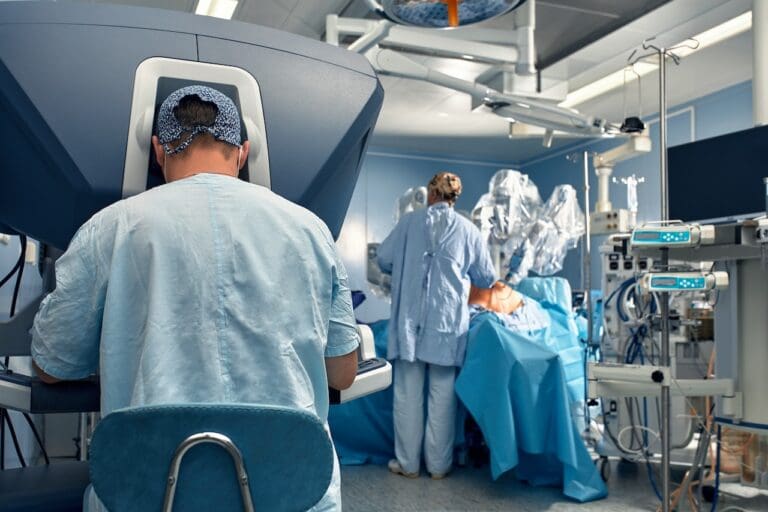
The surgery is always performed by Dr. Dániel Wettstein, with a background in HPB surgery and robotic surgery.